
Introduction: Prayer, Fasting and Almsgiving
Life and Dignity of the Human Person
Catholic social teaching inspires and guides how we are to live and work in the world. In this principle, Life and Dignity of the Human Person, Jesus reminds us that we are all made in God's image and likeness. That means that every human being has a special value and a purpose. We need to care for each other so we can be the people God calls us to be.
I am the bread of life; whoever comes to me will never hunger, and whoever believes in me will never thirst.
–John 6:35
The Bread of Life—which we receive through the Eucharist—fills us with God’s grace and love. The Eucharist feeds us. It nourishes us. It unites us with God and one another as members of the same body of Christ. And it is through our communion with the Bread of Life that we are called to share bread for life.
Jesus tells us, “I am the bread of life; whoever comes to me will never hunger, and whoever believes in me will never thirst.” When we receive Jesus through the Eucharist, our hearts are filled with his love and the call to share that love with our sisters and brothers in need around the world.
During Lent, we’re invited to act on this call through our Catholic tradition of prayer, fasting and almsgiving. When we practice these Lenten pillars, we enter a living relationship and unite our hearts with God and with one another.
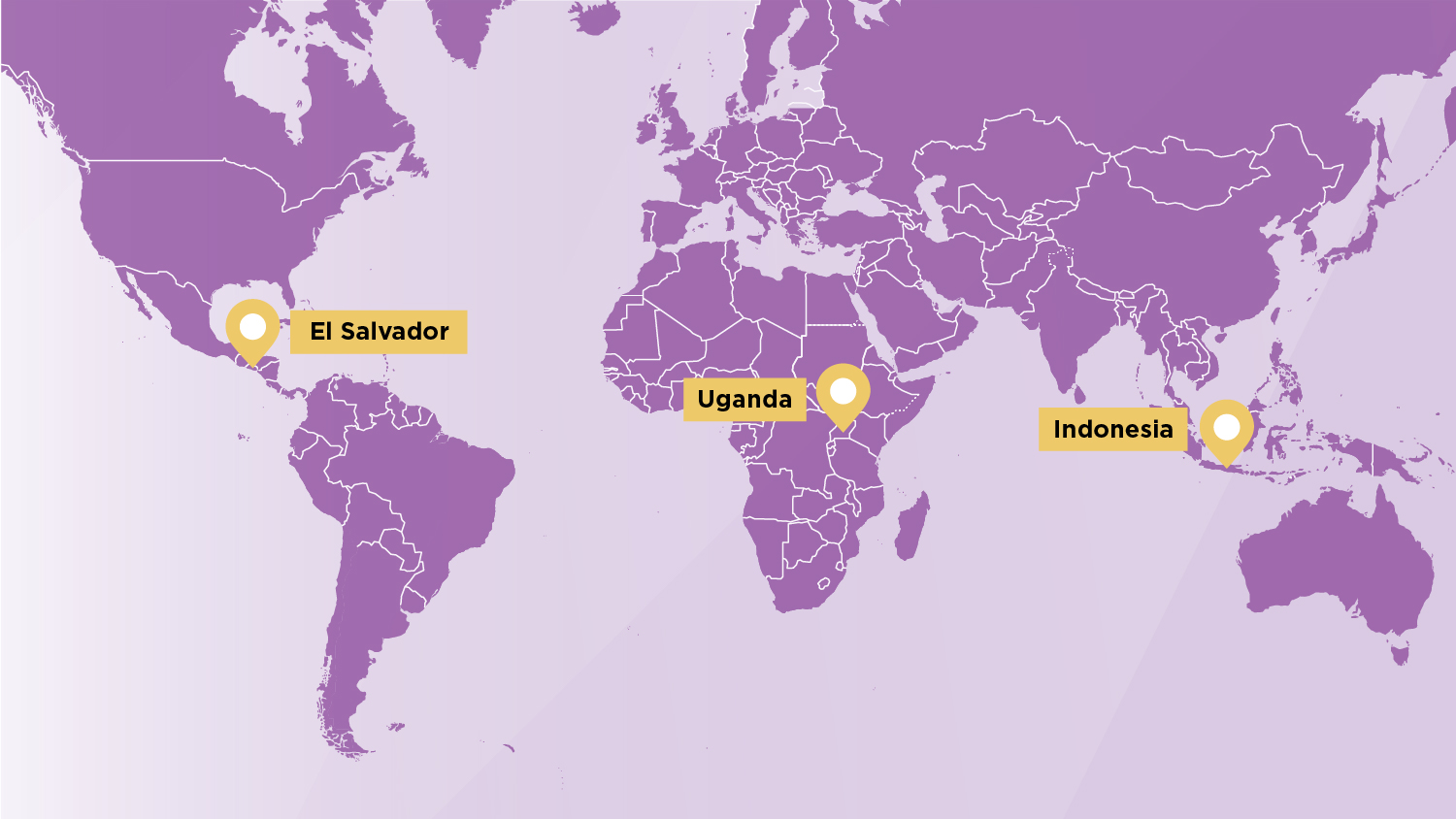
With CRS Rice Bowl, the Lenten pillars will guide us to encounter Christ through our global family in Uganda, El Salvador and Indonesia—through our sisters and brothers who are finding ways to overcome hunger and adapt to the impacts of climate change.
Every Lent since 1975, millions of Catholics across the United States have come together through CRS Rice Bowl to support people struggling with hunger and poverty—both at home and around the world. And because hunger and poverty continue to be some of the most critical concerns of our time, we’re still needed to make a difference.
As we go through these next 40 days, let us remember the words of Jesus, our bread of life, and be nourished by him in the Eucharist to walk with our global family.
Let us begin this holy season by praying,
Dear Jesus,
You call us, as members of the body of Christ, to serve one another.
This Lent, may we be your eyes, to see with compassion.
May we be your hands and feet, to serve with love.
By encountering you in the Bread of Life,
may we joyfully share bread for life with all members of our global family.
Amen